Buying a Historic Home in Cuenca to Renovate: Check This First
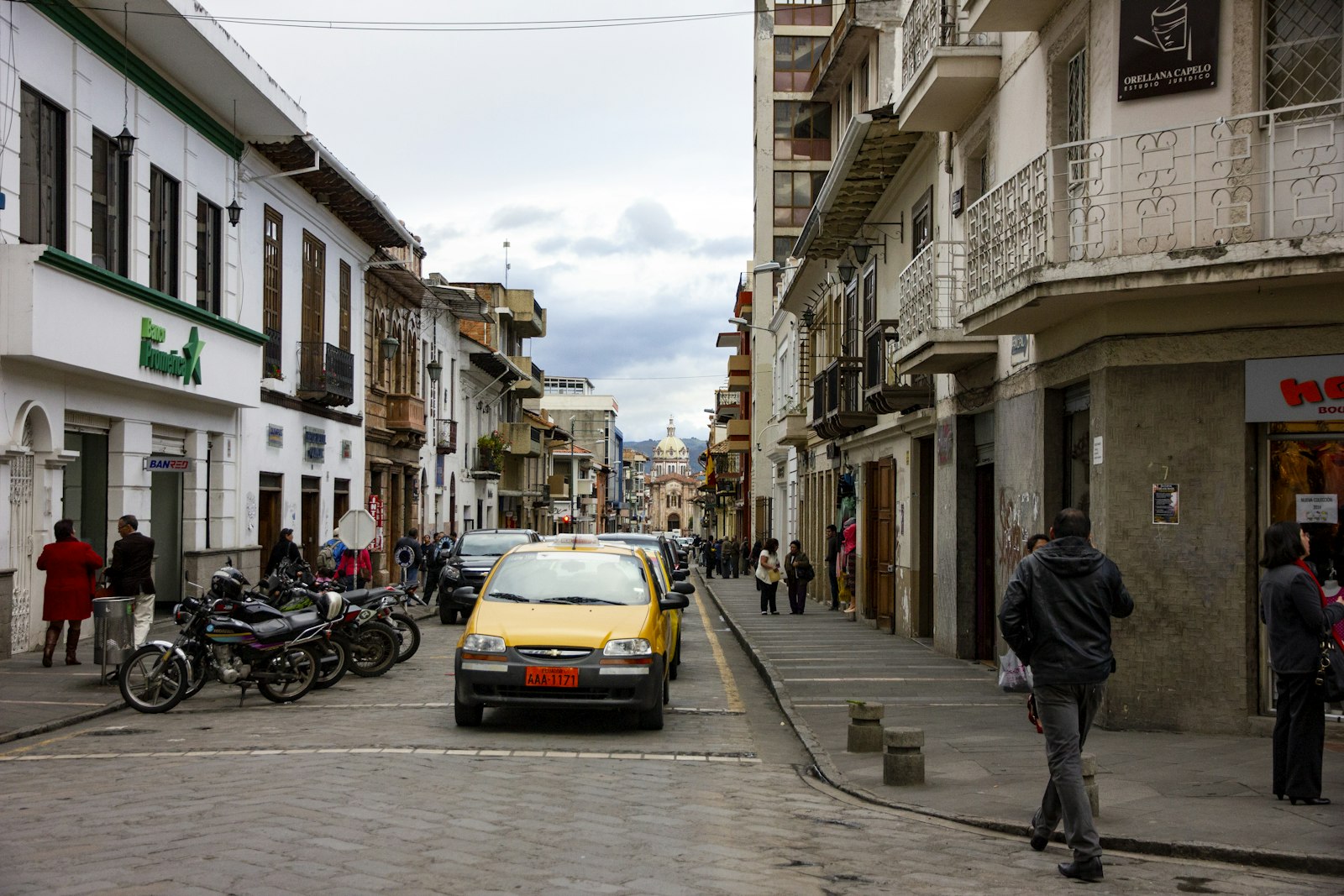
If you want to buy a house in Cuenca’s Centro Histórico (the historic center) to renovate it, first check its heritage status, which interventions are allowed and the technical condition of the building. Only then can you judge whether the project you imagine fits the house and your budget.
The layout you want, a new window or the use of a courtyard may need a review that cannot be settled during a sales visit. This guide helps you prepare that assessment before you commit to the purchase.
1. Start with the property’s status, not its appearance
An old facade alone does not tell you what protection a house has. Nor is it enough that the listing calls it “renovable” or “ideal for a project.” Get the exact identification of the parcel and check its status with the Dirección General de Áreas Históricas y Patrimoniales (the municipal Historic and Heritage Areas office).
The IPRUS (the parcel-level land-use report) for these areas records technical parameters, easements and restrictions, along with the heritage category and the type of intervention allowed. It is a starting point for studying your proposal. Official IPRUS page for Historic and Heritage Areas (in Spanish).
Ask an architect with relevant experience to explain what that information means for your case. Avoid designing a full renovation first and asking afterward whether it can be approved.
2. Bring a concrete list of the changes you need
Describe your project in simple actions: combining kitchen and dining room, adding a bathroom, improving accessibility, working on the roof, opening a doorway or window, or converting a space for work. Sort the changes into must-haves and nice-to-haves.
That list lets you ask about each intervention without confusing a finishes update with a structural or heritage-related change. It also helps you decide early whether the house meets your needs.
A hypothetical example: if you need an accessible bedroom and bathroom on the ground floor to live there, ask for that solution to be studied from the start. Do not leave an essential need dependent on a renovation whose feasibility has not yet been assessed.
Ask for answers with clear limits: what can be confirmed from the available documents, what needs a study and what the authority must decide. A friendly conversation is not an administrative approval.
3. Get a technical inspection before you settle the budget
Visit the house with a professional who can assess its condition and recommend studies where needed. Ask them to look at the roof, structure, damp, utilities, drainage and previous alterations, depending on the characteristics of the building.
Useful questions:
- What work is needed to use the house safely?
- Which repairs can wait, and which hold up other work?
- Which elements need a more detailed inspection?
- Are there areas that could not be checked?
- What unknowns prevent a complete budget?
Do not turn a crack you noticed into your own diagnosis, and do not treat a problem as solved because it has fresh paint. Ask the report to distinguish findings, hypotheses and checks still pending.
If the inspection requires opening up elements, removing finishes or running tests, arrange in advance the owner’s authorization and the applicable technical and administrative conditions. A purchase visit does not authorize you to work on the property.
4. Check the purchase documents and the existing works
Review the registered deed, the registry status and whether the property you visited matches the documents. If there are several owners, representatives or special circumstances, get a legal review of the case.
Also ask for the plans, permits and records available for any renovations already done. If the current state differs from the approved plans, ask what that difference means and how it must be handled before you buy. Do not assume it can be regularized automatically.
If part of the house is advertised as a separate unit, or if it shares access and areas with other properties, clarify the legal regime. The physical layout alone does not determine what property you can acquire or what rights of use you will have.
5. Identify the permits your work will need
The municipal service guide for Historic and Heritage Areas distinguishes procedures such as project approval, construction permits and a painting permit. So it makes sense to ask about the procedure that matches the real scope of your work. Official procedures for Historic and Heritage Areas (in Spanish).
In particular, the page for major construction ties authorization to start work to an approved architectural plan. It also provides for additional steps when the work affects elements of public space. Major construction permit (in Spanish).
Even painting a facade has its own procedure, with color-integration criteria and a submitted proposal. Do not stretch the idea that “it’s just maintenance” to cover any work. Painting permit (in Spanish).
Before agreeing on a construction date, ask the responsible professional for a sequence of studies, approvals and execution. Check the current requirements directly with the authority; do not organize your purchase around an assumed approval timeline.
6. Separate the price of the house from the cost of making it livable for you
Prepare a budget by line item, based on the scope that has been possible to assess:
- Purchase and closing costs.
- Surveys, studies and design.
- Procedures and obligations that apply.
- Work on the roof, structure or utilities, if needed.
- Finishes and adapting the spaces.
- Logistics, removal of materials and protection of existing elements.
- Temporary lodging, if you cannot use the house during the work.
Ask each bidder to detail what is included, what is excluded and what depends on pending studies. Compare quotes against the same scope. A low figure with undefined items does not let you judge the final cost.
Leave room in your planning for uncertainties the professionals have identified. No universal percentage replaces an inspection of the property and a study of the renovation.
7. Check that the location works for your routine
Besides the house, think about how you will get in with groceries, furniture or tools; where you will park if you need to; and what your daily route will be. Visit the surroundings at different times to observe noise and activity from the spaces you will use.
If you plan to use the property for lodging, retail or another activity, have that use confirmed before you base the purchase on it. You will also need to study the specific operating requirements. A location in the Centro Histórico does not by itself demonstrate demand, occupancy or profitability.
Frequently asked questions
Can I renovate any house in the Centro Histórico?
It depends on the status of the property, the proposed work and the authorizations that apply. Check the parcel’s file before assuming a change is possible.
Can I gut the interior and keep only the facade?
Do not assume it is allowed. That kind of proposal needs a specific technical, heritage and administrative review. Get a formal answer before you build your purchase on it.
Can a house outside the Centro Histórico have heritage protection?
Yes. The municipal service guide includes a heritage certification for properties located outside the Centro Histórico. Check the status of the specific parcel instead of relying only on the neighborhood.
Should I buy before the whole project is designed?
You can consider a purchase without developing the whole project, but you need to clarify the conditions that are decisive for you. A lawyer and the technical professional can help you identify the checks and conditions you need before taking on any commitment.
Find a house that fits the life you want to build there
Browse the houses listed on Cuenca House and ask what information exists on the ones that interest you. If you are looking for an older house to renovate, tell us on WhatsApp what changes you need and which locations you are considering.
This guide does not replace a legal, architectural or heritage review of the property. Any intervention requires the authorizations that apply to the case.
Sources used
- Municipality of Cuenca: IPRUS for Historic and Heritage Areas, linked in section 1.
- Municipality of Cuenca: service guide for Historic and Heritage Areas, linked in section 5.
- Municipality of Cuenca: major construction permit, linked in section 5.
- Municipality of Cuenca: painting permit, linked in section 5.
Questions about this topic? Let’s talk.
Ask on WhatsApp